
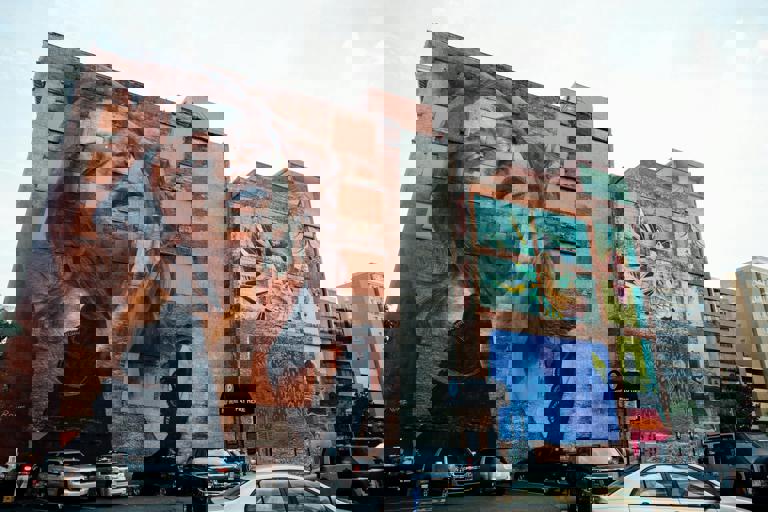
As the warm days of spring arrived in Canadian cities, an unexpected wave of creativity began appearing in the most unlikely places. Alleys that once were overlooked or avoided by passersby have become captivating showcases for an emerging art form: pop-up installations. Bursts of color now surprise pedestrians at every turn, transforming the urban landscape into open-air galleries that celebrate both local artistry and community spirit.
The concept of pop-up art installations is not entirely new, but this year, artists in cities such as Toronto, Montreal, and Vancouver are embracing it with unprecedented enthusiasm. Groups of creators, both established and amateur, are working together to bring sculptures, murals, and interactive pieces to locales previously consigned to anonymity. These installations encourage residents and visitors alike to look at their city with fresh eyes.
Local art collective Transformation Alley spearheaded the movement, coordinating more than thirty artists to revitalize underutilized spaces throughout Montreal’s Plateau neighbourhood. Lia Nguyen, a muralist involved in the project, explains, "Our goal was to inject life where people least expect it — making art accessible outside museums and galleries." Nguyen describes the city’s alleys as ripe canvases waiting to be discovered.
Throughout Toronto, alleyways once considered mundane or even unsightly now boast vibrant murals themed around inclusivity, nature, and heritage. Notable among them is a collaborative piece stretching over 20 meters, featuring motifs inspired by Indigenous art and Canada’s multicultural fabric. Artists consulted with community leaders to ensure the public works genuinely reflect the diversity and values of the neighbourhoods.
The installations are more than just visually arresting; many have social messages at their core. In Vancouver, a striking sculpture fashioned from recycled plastics highlights environmental sustainability, urging viewers to consider their relationship with everyday waste. "The materials were all collected locally, reminding us that creativity and responsibility can go hand-in-hand," noted eco-artist Jasper Price, who led the initiative.
Pedestrian response has been overwhelmingly positive. Local resident Fatima Rashed commented, "Walking to work is suddenly an adventure — I detour on purpose now, just to see what’s new." Social media platforms have exploded with photos and hashtags dedicated to tracking the ever-changing array of art, further amplifying the reach and impact of these pop-up installations throughout Canada.
Municipal support has played a crucial role in the success of the movement. City councils have granted temporary permits and, in some cases, small grants to creators, recognizing the positive effect on urban vitality and tourism. According to a report from Toronto’s Department of Culture, foot traffic in alleyway-adjacent businesses increased by 18% since the installations began, indicating a tangible economic benefit.
Artists are also engaging in dialogue about the impermanent nature of their creations. Most pop-up installations are intended to last only a few months, ensuring that the urban art landscape stays fresh and continuously evolving. "We like that our work doesn’t have to be permanent," shared sculptor Marianne Dubois. "It gives us freedom to experiment — and invites the public to catch a glimpse before it’s gone."
Educational initiatives have sprung up in tandem, with workshops and tours organized to connect the public with the artists themselves. School groups are often spotted weaving through color-soaked passages, participating in stencil workshops or listening to discussions about contemporary art’s role in city life. These gatherings foster a new generation’s appreciation for creativity and demonstrate the accessibility of art outside institutional settings.
The installations have also sparked important conversations about public space and artistic expression. While the majority of feedback is supportive, some residents have voiced concerns about graffiti and property values. However, project organizers have responded by involving business owners and residents in planning stages, emphasizing collaboration and community ownership over the works displayed.
Looking ahead, organizers plan to expand the initiative to additional neighborhoods and smaller cities across Canada. Calls for submissions are drawing creatives from diverse backgrounds, signaling a lasting appetite for pop-up art as a means of urban regeneration. As the summer approaches, even more alleys are slated to be transformed into blank slates teeming with possibility and imagination.
With every new artwork unveiled, these pop-up installations challenge assumptions about where art belongs and whom it is for. By transforming overlooked spaces into sites of beauty and dialogue, Canadian artists are not only reshaping their cities but also building a more engaged, vibrant urban culture. As more residents take to the alleyways, it’s clear this movement has struck a resonant cultural chord — one painted in color, collaboration, and surprise.